12 down and 12 to go…
Archives for the month of: December, 2013
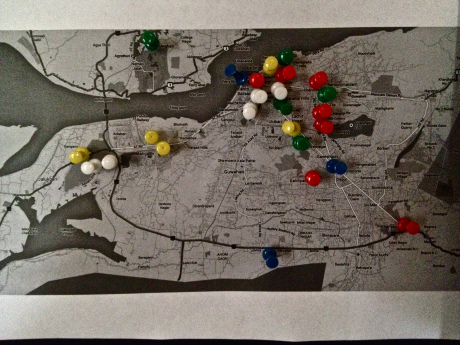
We meet up with Shristi, Digvijay and Radhika for the 2 am shoot at the Alankar Hotel in the Chanmari neighborhood. Radhika’s family lives on the top floor and we climb up to the roof to film her father’s woodworking studio and check out the views of a sleeping city. Later on, after watching American sitcoms and drinking coffee in Radhika’s comfy living room, we head over to the Assam Times building to film the early morning newspaper distribution scene and the men with big teapots and bags of cookies strapped to their bicycles…
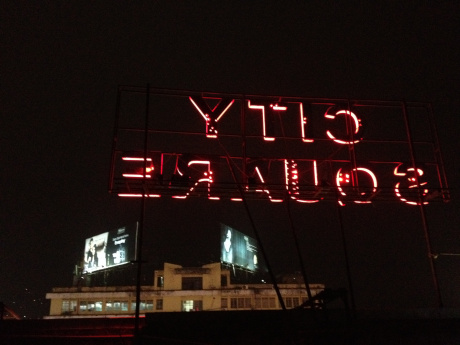
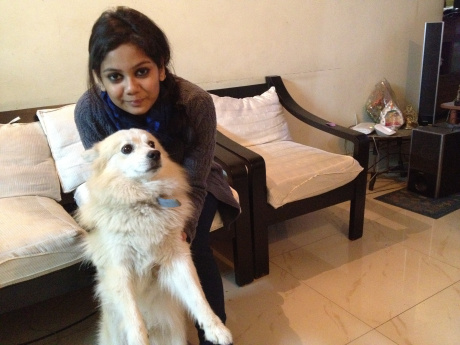
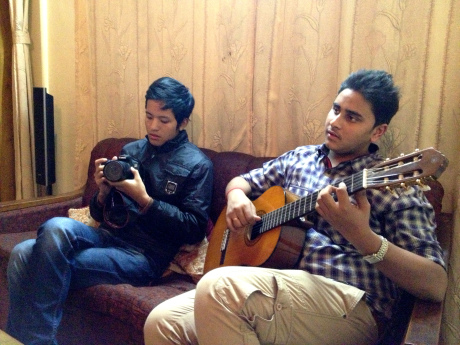
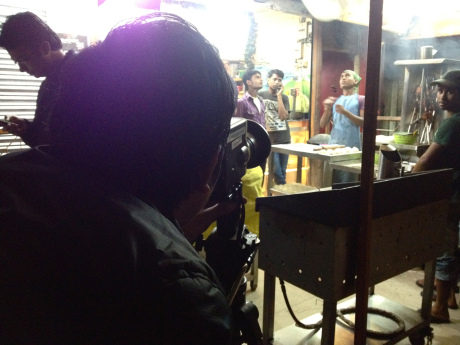
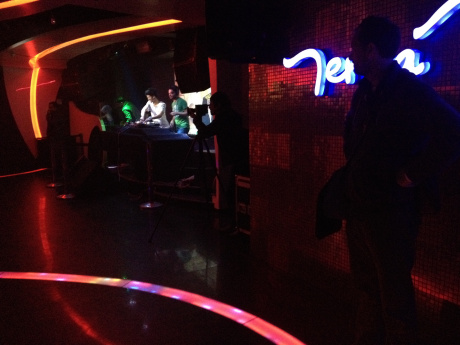
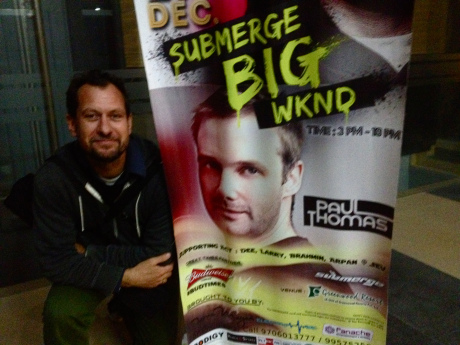
With a couple hours to kill, we check out the Book Fair where the most exciting stuff turns out to be the chutney stand and an Assamese traditional dance performance (four guys standing on another guy while he plays a horn!). As night falls, we find ourselves with Shristi, Digvijay, Kiran and Paromita on another rooftop (this one on top of a gigantic shopping complex on the other side of town), shooting the shoppers and the endless streams of traffic below. After some tasty treats, fun with Dollar the Dog, and a rousing version of Sweet Child O’ Mine at Shristi and Digvijay’s place, their driver scoots us over to Club Terra Mayaa where we get the VIP treatment and Paolo is mobbed by fans mistaking him for superstar DJ Paul Thomas. That’s life in the Guwahati fast lane!
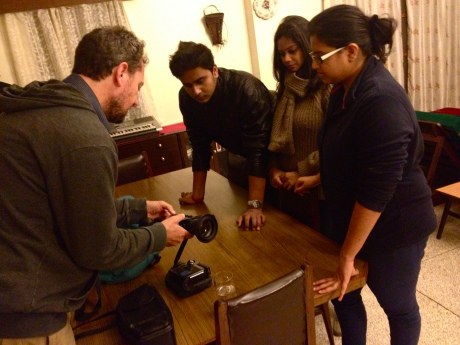
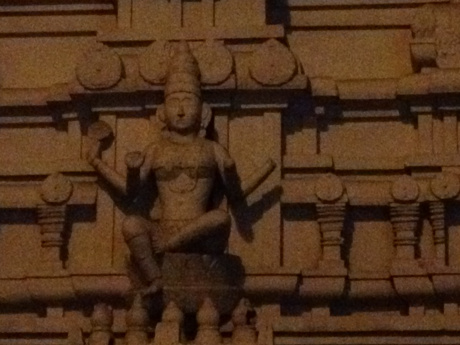
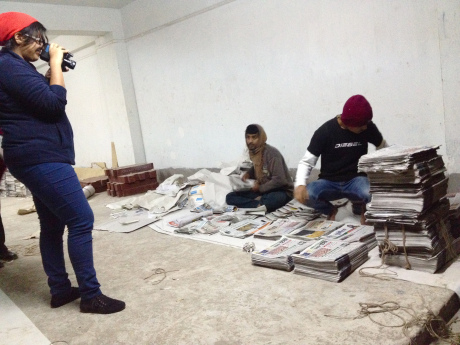
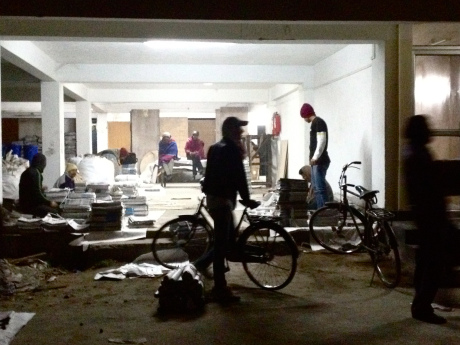
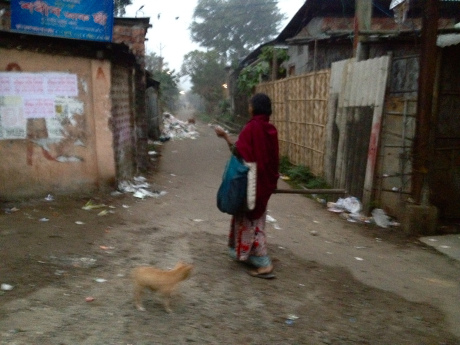
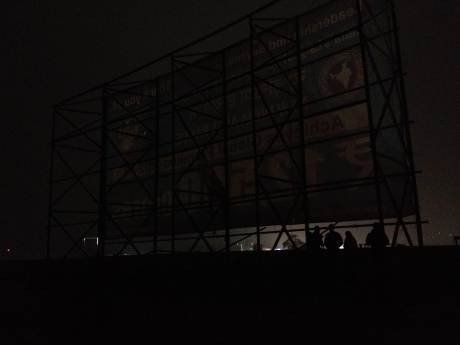
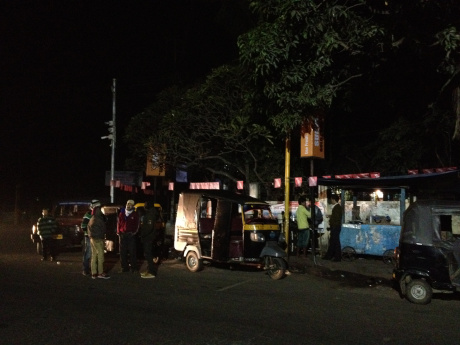
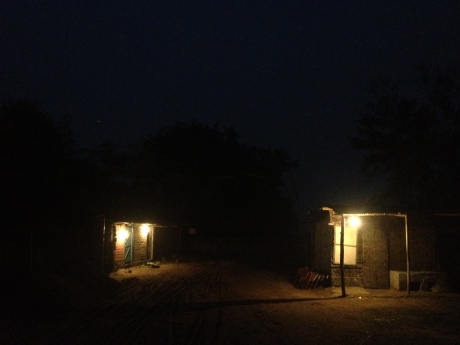
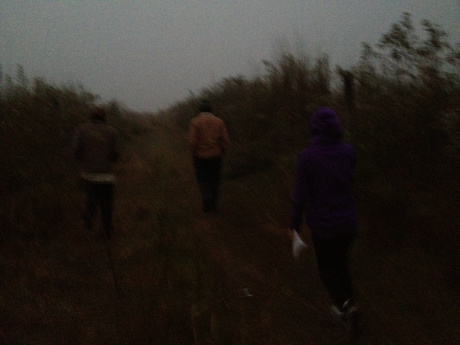
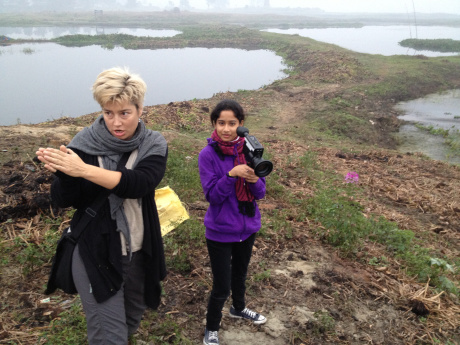
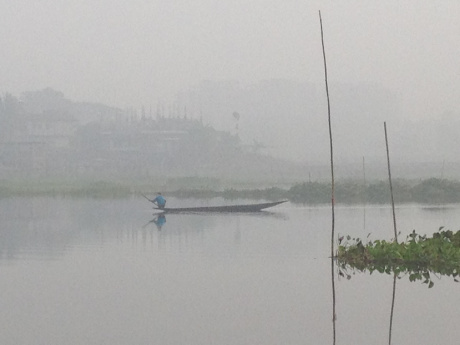
Three shoots today! Paolo, Kiran and I are up and out by 5 am, moving through the dark, deserted streets in search of a taxi to take us to Deepor Beel, the bird sanctuary on the outskirts of town where we’re meeting Barsha and her family. Barsha’s 19 and working on a social sciences degree at a local college; her graduate studies will focus on Peace and Conflict. As sunrise approaches, we find ourselves on the edge of a vast, silent wetland with fishermen gliding by in long skinny boats and all kinds of birds floating and flying around. Afterwards, we walk back to Barsha’s house and enjoy a savory homemade breakfast topped off with tea and delicious coconut sweets. Before we leave, the family presents us each with a Gamosa, the beautiful white and red woven Assamese scarf that is offered to guests as a means of welcome. Lovely.
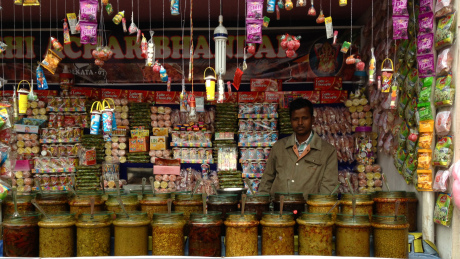
For Dristi’s 11 am shoot, we explore the Maligaon Market where you can find everything from spices to sunglasses and we have our first taste of Paan, the ubiquitous betel leaf pick-me-up (“It will make your mouth red!”), made fresh by a friendly man in a teeny, tiny drugstore. With Dristi’s nerves-of-steel mom at the wheel, we whiz through the byways and back alleys of the city to the house Dristi shares with her parents, little brother, maternal and paternal grandmothers and great grandfather. After a tour of the family shrine, we are treated to our second sumptuous homemade meal of the day with the most incredible spinach daal and mango pickles I have ever tasted. “Stop saying ‘thank you’ so much!” laughs Dristi’s Mom as she dishes up seconds…and thirds…and fourths… “Foreigners love India but India loves foreigners too.”
Afterwards, it’s Ladies Day in the darkroom. Thanks to the extended developing time required for Caffenol, Dristi, Barsha and I have an opportunity to chat about boys, Barbie, tonsillitis, travel, love marriages vs. arranged marriages, selfies, studies and the pressures faced by young women in India today to be “good.” We can’t solve all the world’s problems in a single session, but we’re working on it!
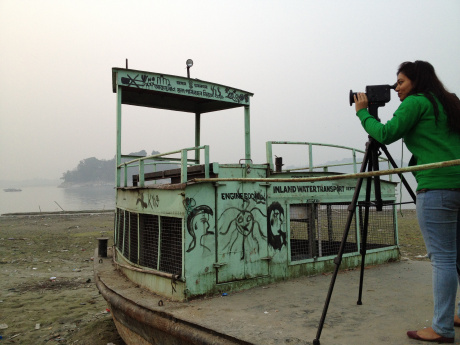
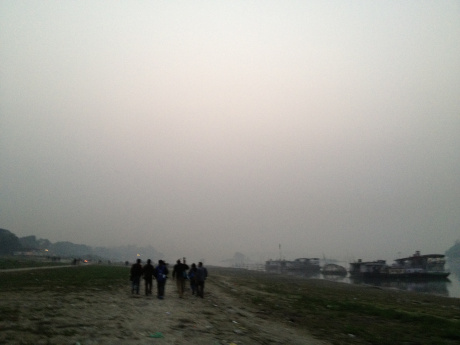
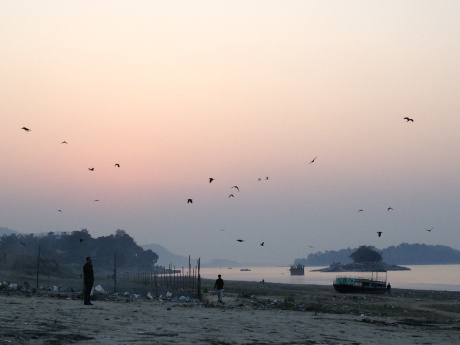
Sunset finds us down at one of the abandoned ferryboats on the riverfront for Paromita’s shoot… The mighty Brahmaputra, the only “male” river in India, is a place we keep returning to… the spine of the city and the Sound We See…
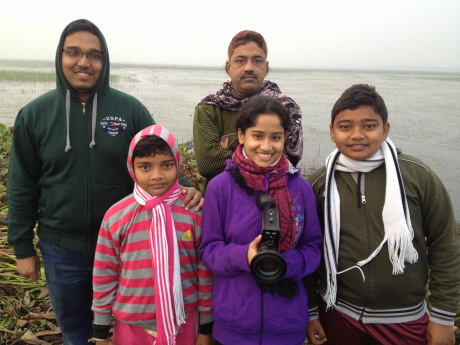
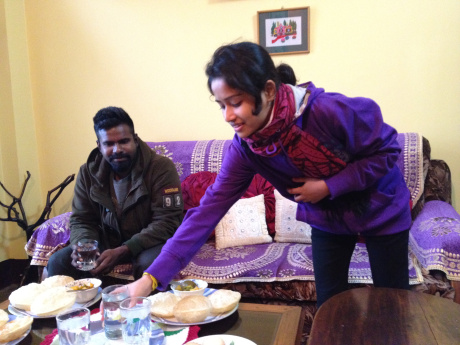
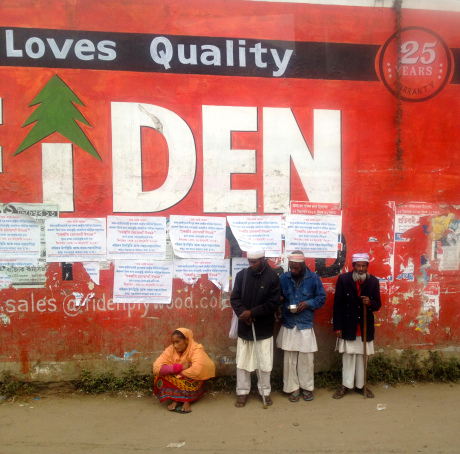
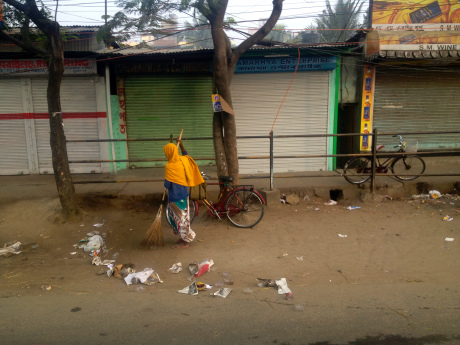
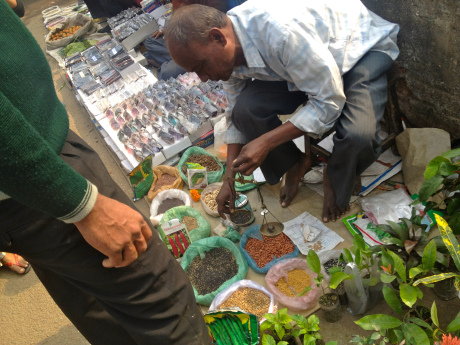
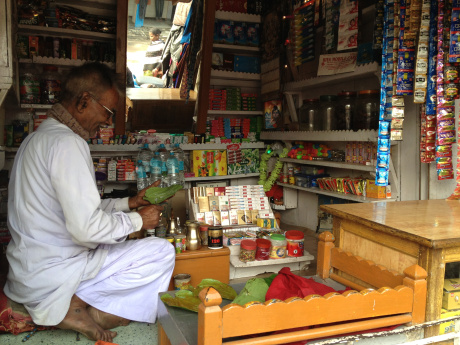
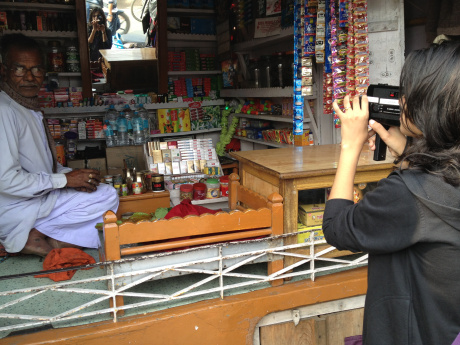
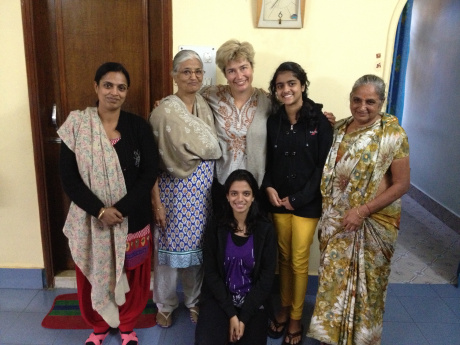
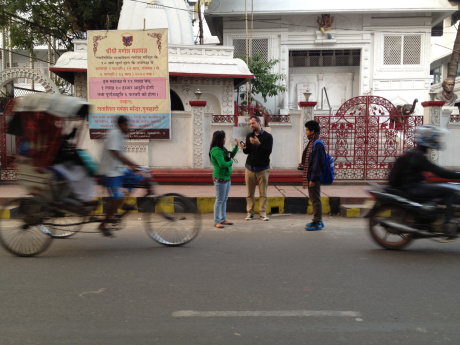
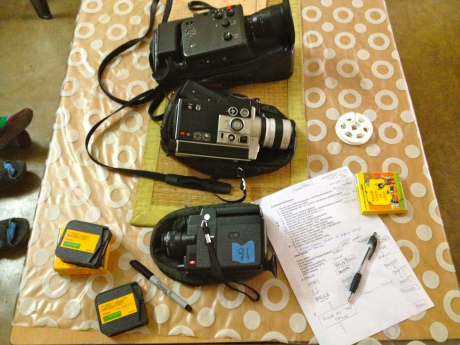
Two days ago, everybody learned how to use a Super 8 camera. Yesterday, everybody learned how to process Tri-X film as a negative using Caffenol, the magical organic developer made of instant coffee, washing soda, vitamin C powder and tap water. Today, shooting begins for real! Nabo is up first in the 9 am slot. We travel by bicycle rickshaw to Lakhtokia, a vibrant market area flanking the railroad tracks where it feels like all of humanity is meeting to start the day together. In the afternoon, we take a little taxi with Rashmi to the hills above Kamakhya Temple and encounter placid cows, mischievous boys, and spectacular views of the city below shrouded in winter fog. Afterwards, Nabo and Rashmi process their film in the makeshift darkroom we’ve set up in a closet. Success!!! 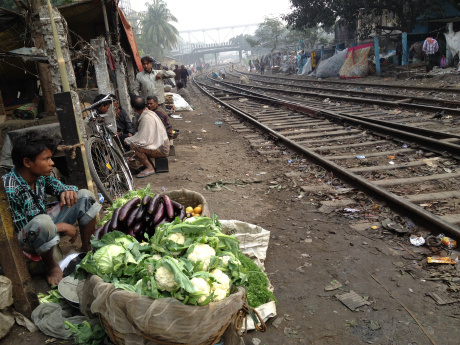
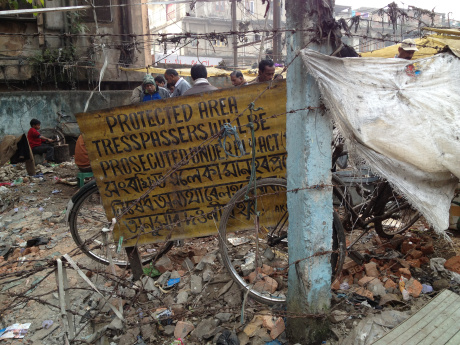
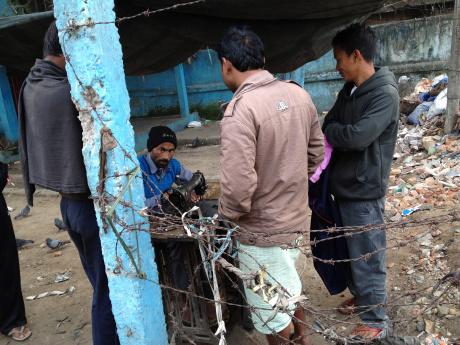
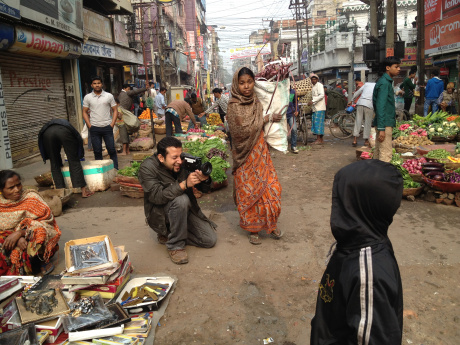
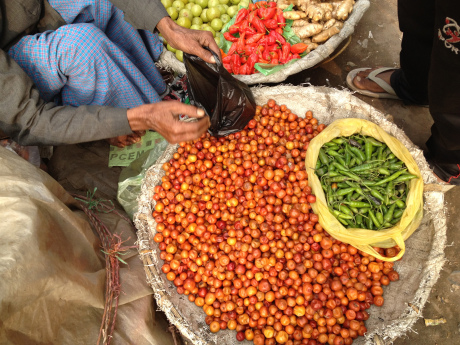
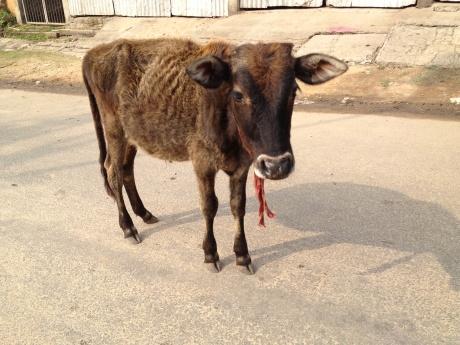
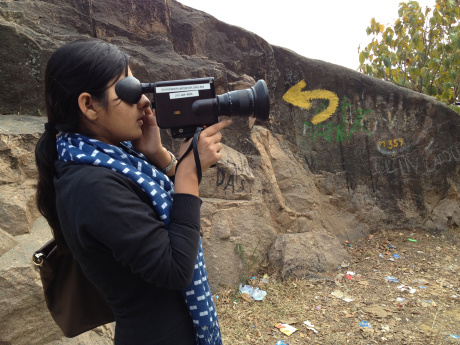
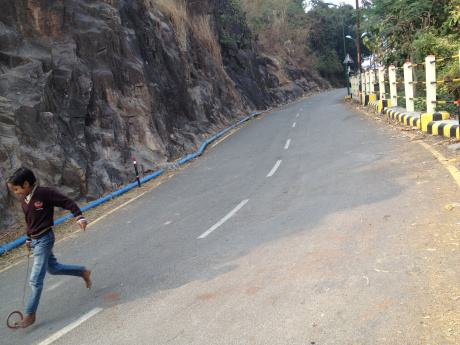
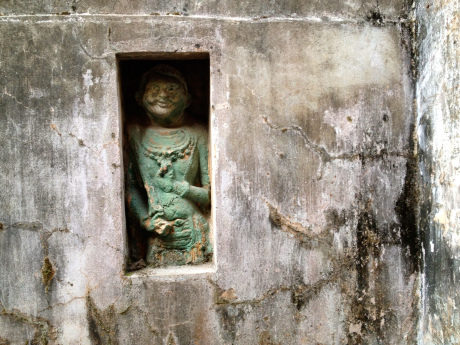
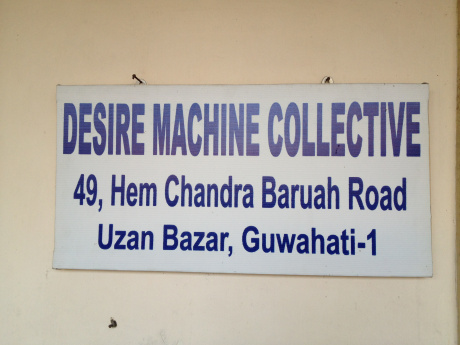
We’re in Guwahati thanks to the generosity of Sonal Jain and Mriganka Madhukaillya, the dynamic duo behind Desire Machine Collective, a multidisciplinary collaborative art practice that “seeks to disrupt the neurotic symptoms that arise from constricting capitalist structures with healthier, schizophrenic cultural flows of desire and information.” When we learned about a DMC offshoot project called Periferry that transformed an old ferry boat into a floating space for experimental public engagement, we knew we’d found our kindred spirits in India. When we proposed The Sound We See: Guwahati, Sonal and Mriganka said Come on over! And here we are.
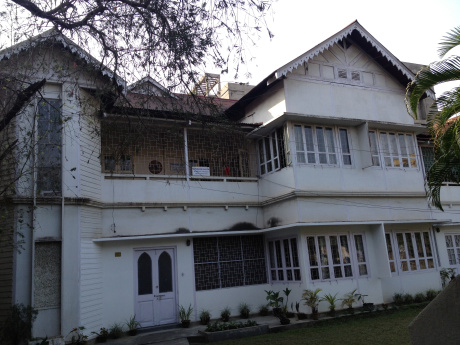
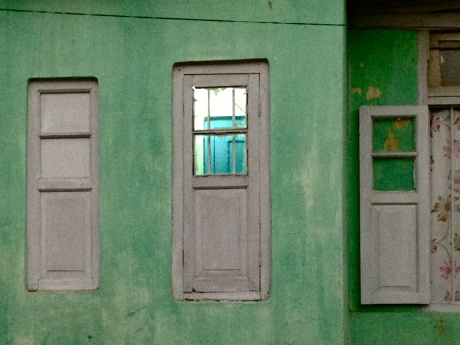
DMC is housed on the top floor of a very special 90-year-old colonial building in the old part of town. There are high ceilings, lovely tiles, beautiful windows, an airy verandah, views of two nice palm trees and plenty of space for working, napping, scheming and dreaming. People are always arriving. Conversations go on for hours. Inspiration abounds. Sonal and Mriganka are the energized core from which all this activity emanates. Helping make the magic happen are Kiran, Dolly and Simon the intern. Ranjo keeps us all nourished with incredibly delicious meals and frequent tea breaks. Ranjo’s daughter Hiya is my new best friend: I’m introducing her to Gumby, Betty Boop and Felix The Cat and she’s teaching me a complicated series of Indian tongue twister/clapping games we play while waiting for the next thing to happen.
Now add another sixteen young people to the mix… The Sound We See filmmakers! Can they make an entire City Symphony on Super 8 film in only two short weeks? I can’t wait to find out…
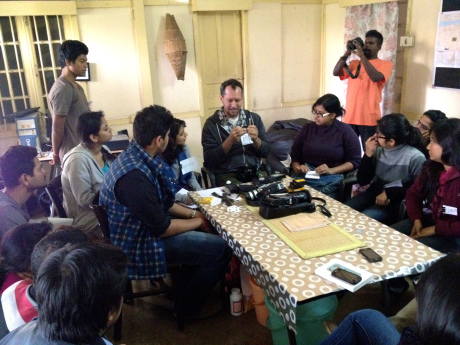
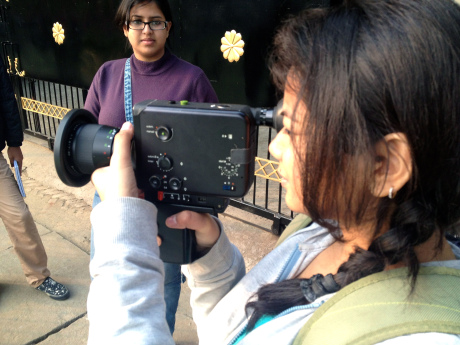
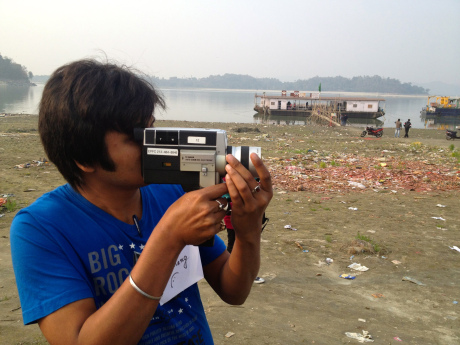
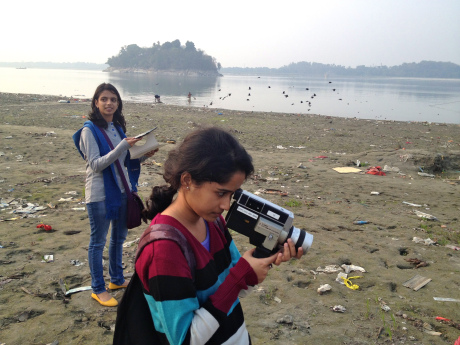
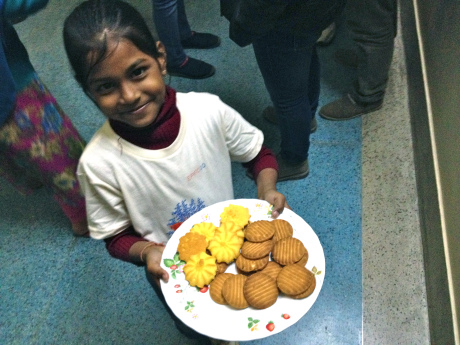
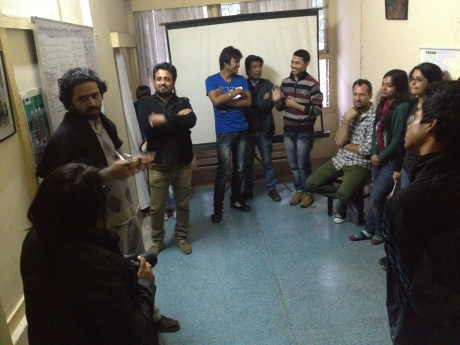
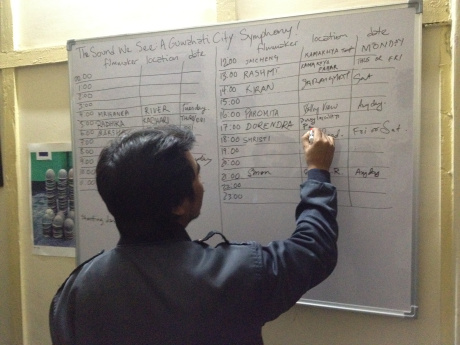
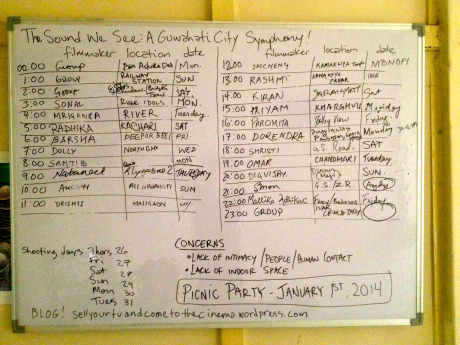
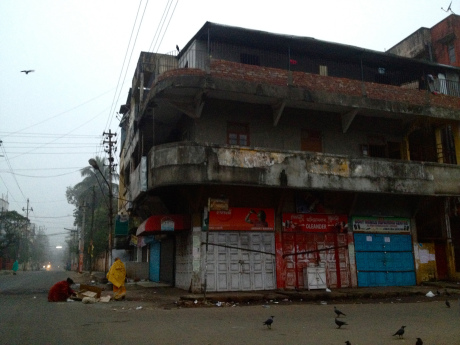
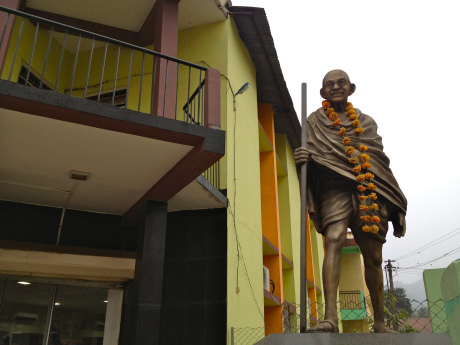
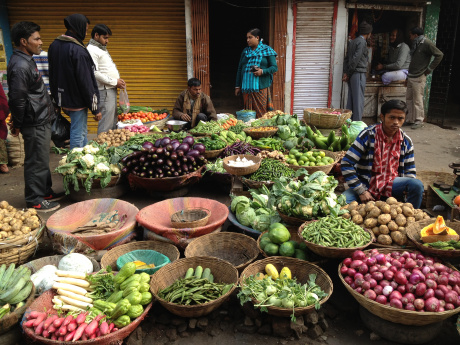
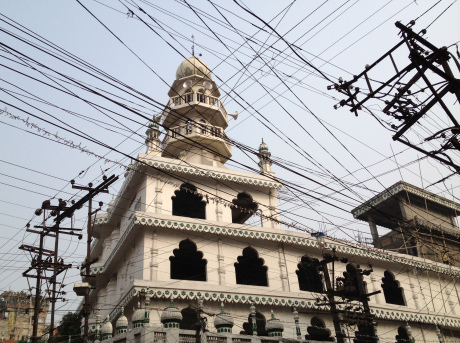
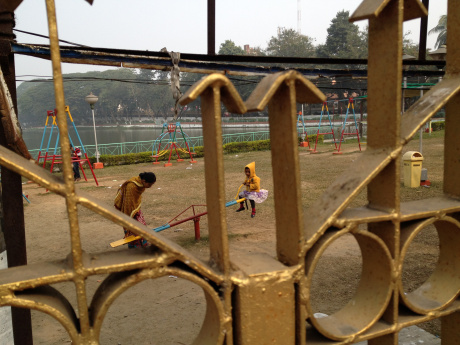
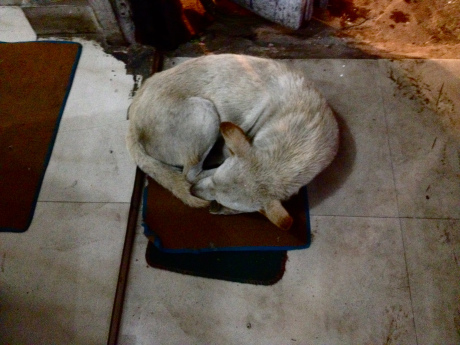
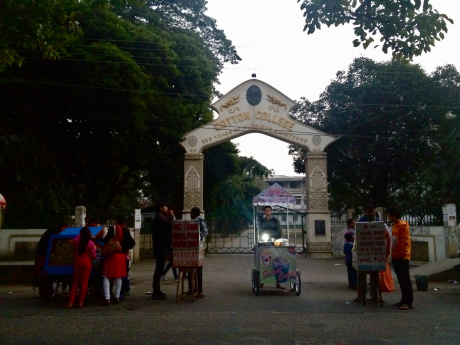
The lost bags have been retrieved, the equipment is unpacked, the class syllabus is completed, Ranjo has served us the most delicious meal ever, and now it’s time to explore Guwahati, our home for the next two weeks. This fast-growing city is in the northeast corner of India, in the state of Assam (where tea comes from!), next to the Brahmaputra River. Sights, smells and sounds collide in a non-stop, tantalizing circus for the senses-horns honking! bike rickshaws competing with tiny taxis! dogs snoozing! kids playing cricket! incense! petrol! food vendors cooking up tasty treats! trains departing! piles of oranges in the market! open sewers! abandoned ferry boats! ducks with bindhis! glowing temples! little girls calling out Hello, Auntie! the call to prayer! beautiful fabric! books! noisy black birds! jacarandas and marigolds! Somehow it doesn’t feel at all overwhelming but instead strangely invigorating…
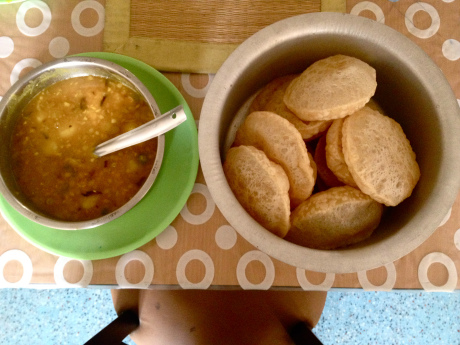
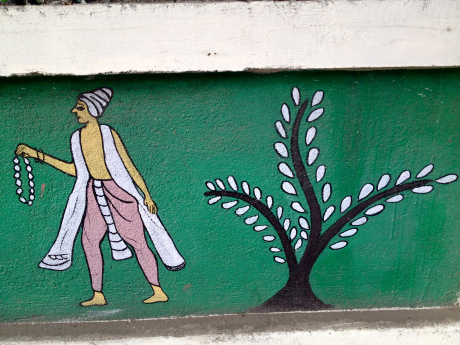
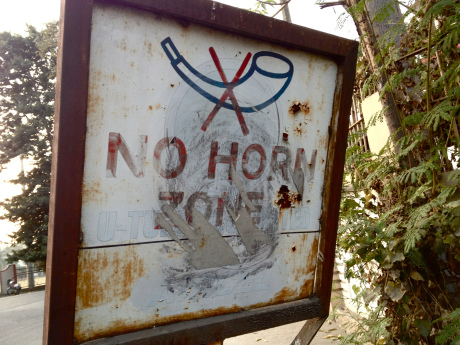
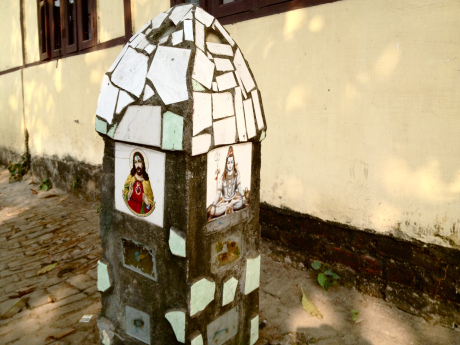
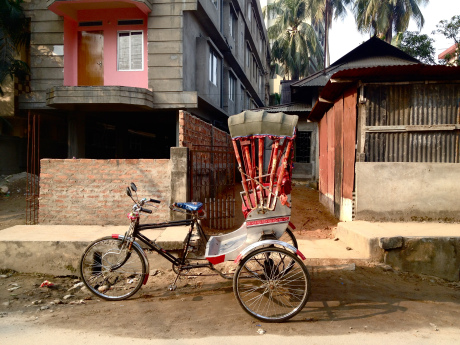
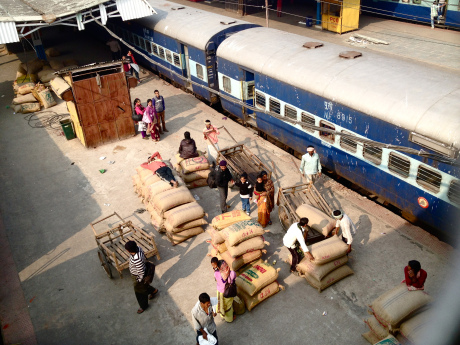
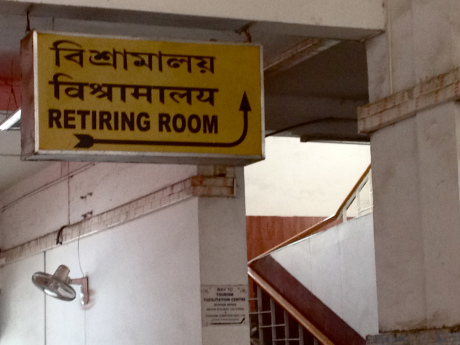
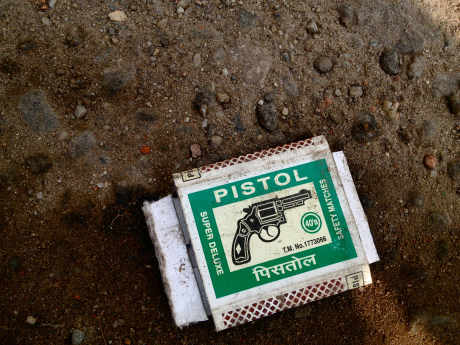
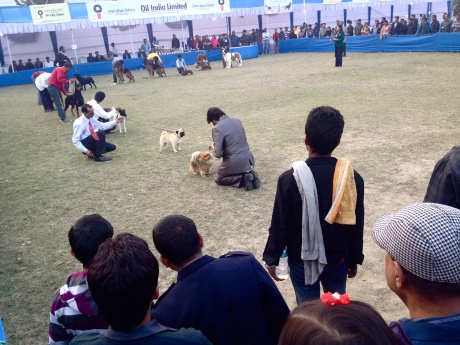
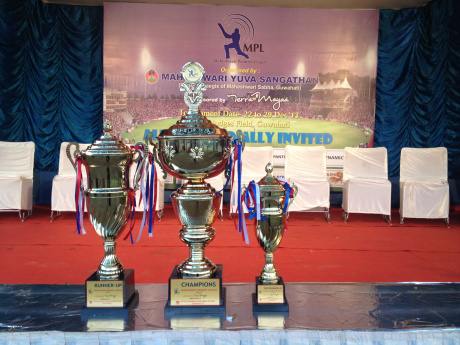
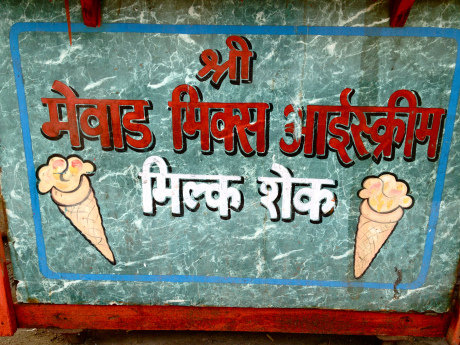
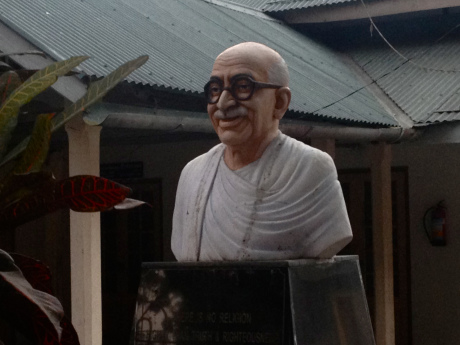
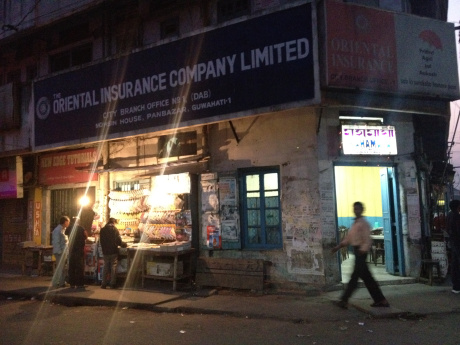
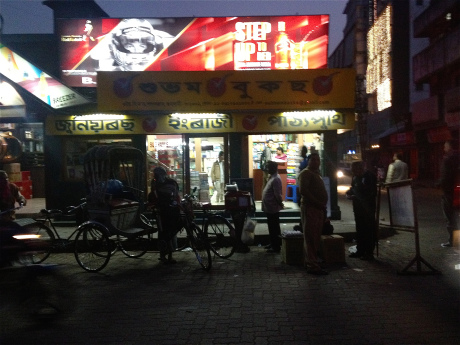
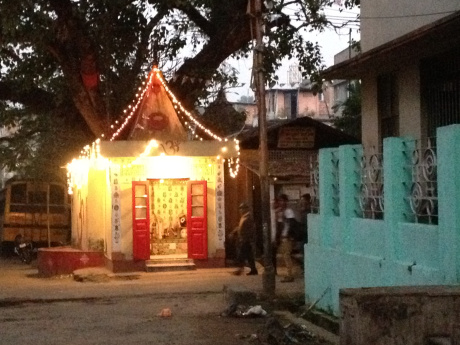
After a 3 am flight, a mad-dash plane change, and a taxi-ride through some very crazy, crowded streets, we reach our destination in Guwahati, India… Too bad our luggage is still in Kolkata!
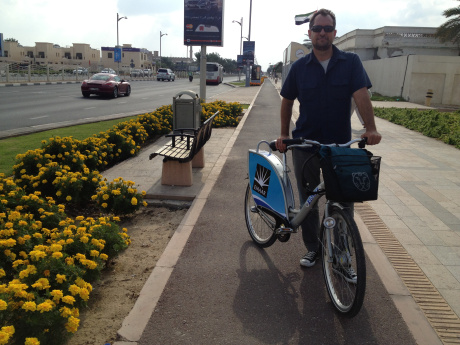
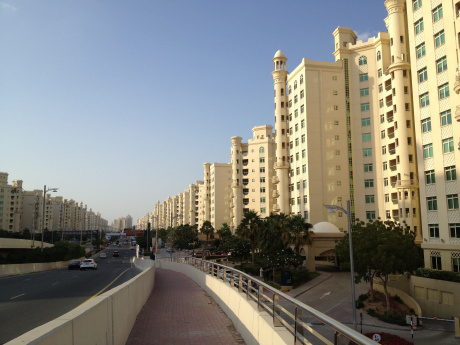
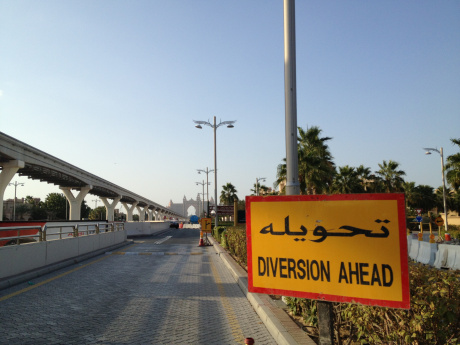
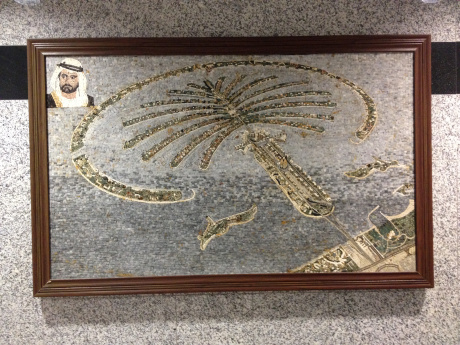
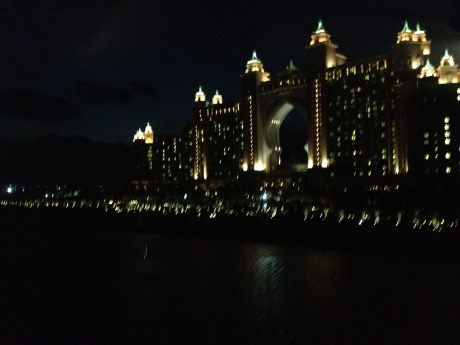
Dubai is not exactly known as the most bike-friendly city but when we see the BYKY stations scattered around downtown, we know just how we’re spending our last afternoon in the UAE. Operated by German company nextbike, the set up is comparable to those we’ve tried in Paris, New York and Toronto: sign up for membership online, pay a nominal fee, check out a bike from any of the system’s kiosks, ride around, check bike back into any of the system’s kiosks. Our goal is to ride the 30 km from Burj Khalifa (the world’s tallest building) to Atlantis (an opulent water-themed hotel/shopping/entertainment complex at the tip of the palm-shaped artificial island known as, what else, The Palm). Our heroic journey involves navigating more obstacles than Super Mario: 16 lanes of freeway traffic, dead ends, construction zones, sand dunes, forbidden overpasses and tunnels, swampy lawns, abandoned metro stations, ferocious headwinds and a severe case of the crankies… but in the end, bike power prevails and our goal is reached… Behold, Atlantis!